Newsroom

Economic, Social and Cultural Rights and Sustaining Peace: Developing New Insights into Peacebuilding

2nd August 2017

1

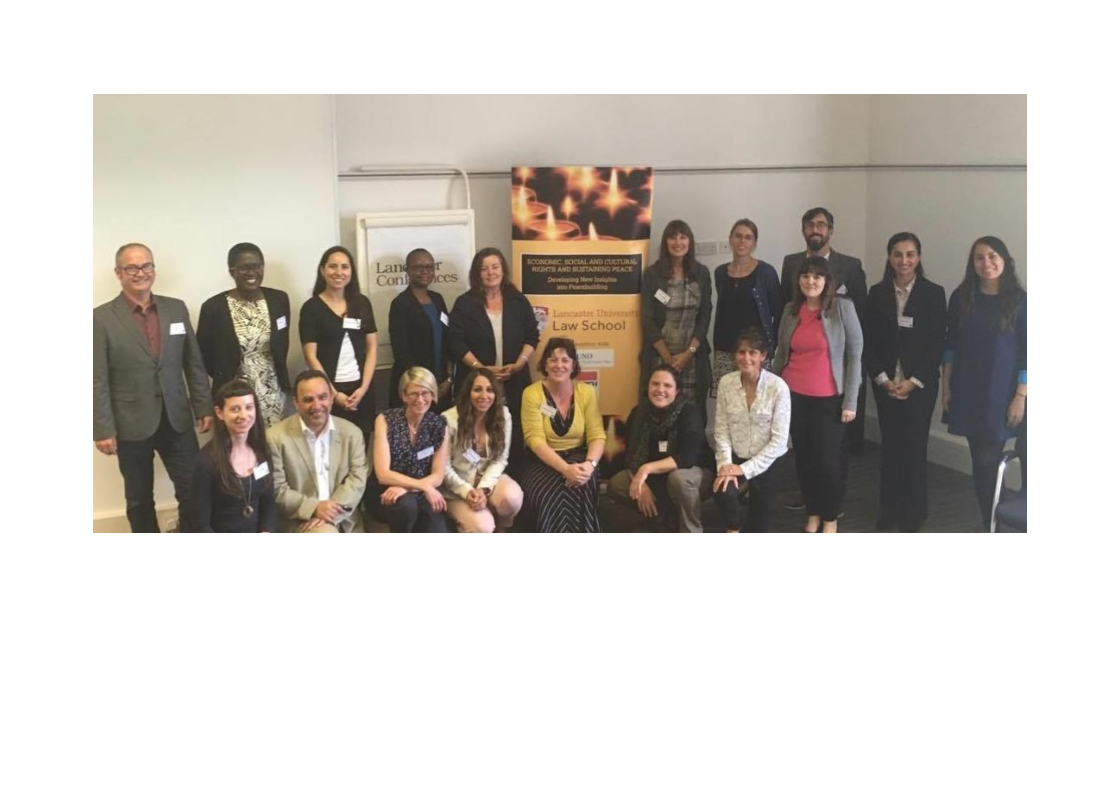
A successful and ground-breaking two-day symposium took place at Lancaster University Law School in the UK on 5th and 6th July 2017. This was the second event of a collaborative project between the Quaker UN Office (QUNO), Friedrich Ebert Stiftung (FES) and Dr Amanda Cahill-Ripley of Lancaster University Law School, which aims to enhance knowledge and understanding of the role of economic, social and cultural rights (ECSR) in sustaining peace.

Diane Hendrick from QUNO Geneva introduced the event as one of the co-organisers, and Rachel Madenyika, from QUNO New York, made a presentation on Sustaining Peace: a view from the UN in New York. This event built on a previous workshop held in Geneva in February 2017, which brought together academics and representatives of peacebuilding and human rights organisations to identify the intersections between ESCR and peacebuilding in theory, policy, and practice.  The purpose of this symposium was to provide an opportunity for a wider group of academics and practitioners to present their research and experiences in relevant areas, to further enrich the debate and build upon the initial discussions.

The symposium brought together participants from the UN Office of the High Commissioner for Human Rights, international NGOs such as the Global Initiative for Economic, Social and Cultural Rights, swisspeace, Christian Aid Ireland and International Alert, as well as academics from University of Edinburgh, Madrid, University of Nottingham, University of Manchester, Coventry University Centre for Trust, Peace and Social Relations, An-Najah National University, the Transitional Justice Institute and the University of Ulster, to discuss their academic, practitioner and policy insights on a theme or experiences related to the central topic of “Economic, Social and Cultural Rights and Sustaining Peace”. 

The event generated a sense of excitement and possibility with specific ideas for enriching planned or existing peacebuilding projects with economic, social and cultural rights elements and the wish to take this work forward drawing in more collaborators from the international and national policy level as well as practitioners and academics with a view to increasing both peacebuilding and human rights approaches in these areas.

Areas of work: Sustaining Peace

Explore more

Myanmar “sham electionsโ€: QUNO hostsย Quaker Houseย briefing

Myanmar “sham electionsโ€: QUNO hostsย Quaker Houseย briefing

On 2 December, the Quaker UN Officeย hostedย diplomatsย at Quaker House forย a private briefingย in advance of theย elections in Myanmarย that began onย 28 December 2025.ย QUNO Director, Sarah Clarke,ย openedย the meeting, noting thatย โ€œthe world will beโ€ฏwatchingโ€ฏcarefullyย to see howย the international communityย respondsย toโ€ฏthe vote.โ€ย  Seanย Dunne,ย an expert who hasย supported election observationย with the UN and the Carter Center,ย including in Myanmar, served as an outside briefer.ย In his remarks, Seanย emphasized that the Myanmarย general elections,ย which areย being conducted by the military regime that overthrew the democratically elected governmentย followingย electionsย in 2020,ย โ€œfail to meet any recognized international benchmark for credibility or genuineness.โ€ย Seanย concurredย withย UN experts,ย numerousย Human Rightsย organizations, and media outlets describing theย elections asย a โ€œcharadeโ€ or โ€œshamย electionโ€ intended to โ€œsolicit recognition from foreign governments and legitimize the continuation of military rule, rather than reflect the genuine will of the Myanmar people.โ€ย  In Myanmar,ย voting kicked off onย 28 December 2025,ย withย polls beingย held inย roughly aย third of Myanmarโ€™sย townships. Despite two more voting phases scheduled on 11 and 25 January 2026, several million people, 56 townships, andย numerousย political parties,ย including the winner of Myanmarโ€™s lastย credible election,ย the National League for Democracy, have been excluded by the military orย haveย chosenย not toย participate.ย ย  As Sean explained, theseย exclusionary factorsย amount to โ€œan incredibly sophisticated form of election engineering.โ€ย Theย implementation of biometric voting and surveillance technology, new laws criminalizing criticism of the election, andย manipulation of representative quotas in Myanmarโ€™s […]

The 2025 Peacebuilding Architecture Review: Progress, Omissions, andย Whatโ€™sย at Stake

The 2025 Peacebuilding Architecture Review: Progress, Omissions, andย Whatโ€™sย at Stake

The United Nationsโ€™ Peacebuilding Architecture Review (PBAR) takes place every five years, providing UN actors and other stakeholders with an opportunity to review and improve the implementation and impact of the UNโ€™s peacebuilding efforts. The year 2025 marked the fourth review since the creation of the UN peacebuilding architecture, comprised of the Peacebuilding Commission (PBC), the Peacebuilding Fund (PBF), and the Peacebuilding Support Office (PBSO). This most recent review occurred within a global context of notably pervasive conflict, high military expenditures, widespread political instability, and apprehension towards multilateralism. While the 2025 PBAR was more comprehensive than past PBARs, it also saw unprecedented acts of language dilution and omission, revealing disagreements among member states on key issues.   The 2025 review features changes in language and introduces new provisions that set it apart from earlier reviews. Notable omissions include references to multilateralism, gender, The Pact for the Future, The PBC Action Plan on Youth, and provisions for a PBC annual review of the Security Council agenda. Language on sustained financing for peacebuilding was also omitted. These shifts expose new gaps, making it harder for member states to prioritize these essential areas in the peacebuilding architectureโ€™s objectives and implementation. Simultaneously, the twin […]

Applications Now Open for QUNO New Yorkย Programmeย Assistantsย 

Applications Now Open for QUNO New Yorkย Programmeย Assistantsย 

The Quaker United Nations Office in New York is now acceptingย Programmeย Assistant applications for the 2026-2027 year. This is an exciting opportunity for young professionals to gain experience at the United Nations, and toย bothย learnย aboutย andย contributeย toย Quaker work at the UN. The application is open to both Quakers and those who align with Quaker values. QUNO highly encourages those interested in international affairs, peacebuilding, and quiet diplomacy to apply. The application period closesย Februaryย 16th, 2026.ย ย  Status: Full โ€“ Time, Specific Term (12 months) Beginning September 1, 2026ย Location: New York, NYย Application Deadline:ย February 16th, 2026, 11:59pm Eastern Timeย For consideration, please attach your Cover Letter and Resume to the online application here in addition to answering the Application Questions.

QUNO attends COP30 in Brazil: Report 2 of 2

QUNO attends COP30 in Brazil: Report 2 of 2

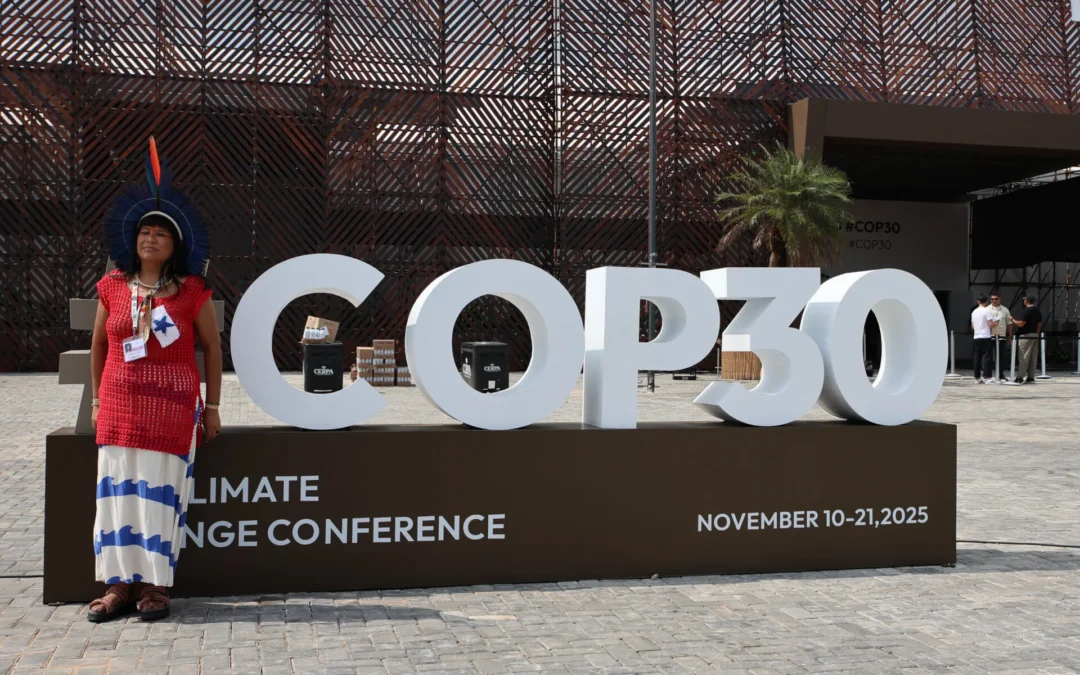
QUNO participated in the Conference of the Parties (COP30), held from 9โ€“23 November in Belรฉm, Brazil. Following the first report on QUNOโ€™s activities at COP30 (available here), this second report provides an analysis of key areas of concern as well as positive outcomes observed during the conference. This report explains why COP30 was far from an uneventful COP. Hosted in the heart of the Amazon rainforest, COP30 witnessed a renewed presence of civil society and Indigenous Peoples, intense protests spilling into the venue, and even a fire incident. Within the negotiation rooms, coordinated strategies of denial tried to silence language on fossil fuels, the latest climate science, the major drivers of greenhouse gas emissions, and even the recognition of human rights. However, at COP30, that thick wall of denial began to show cracks, emerging from different negotiation groups. By the end of the conference, participants observed early flowers blooming from these cracks in the form of emerging coalitions bringing together developed, developing, and least developed countries. To read the full report, please download the document below.

Applications are Now Open: Quaker United Nations Summer School 2026

Applications are Now Open: Quaker United Nations Summer School 2026

We are excited to announce that the applications for the Quaker United Nations Office Summer School (QUNSS) 2026 are now open!  QUNSS is a two-week programme where young changemakers are introduced to the United Nations and the vibrant international community in Geneva to deepen their understanding of multilateralism, strengthen their policy, negotiation, and advocacy skills, and connect with a supportive international youth network rooted in Quaker values to promote peace, justice, and the protection of Earth.  This yearโ€™s themed edition will explore todayโ€™s debates on the value and challenges of multilateralism, supporting participants to accurately understand, critically question, and humanize the United Nations.  Over the course of the programme, participants will:  We welcome applications from young people aged 20โ€“26 from all regions and backgrounds who are globally minded, locally rooted, and involved in areas such as social justice, community engagement, climate action, advocacy, or policy, among others.  The deadline for applications is January 25th, 2026 at 23:59 Central European Time (CET).  For the full description of QUNSS 2026, please see the document below. To apply, please accessย this application form.

At a critical moment, Security Council Resolution on Gaza falls short

At a critical moment, Security Council Resolution on Gaza falls short

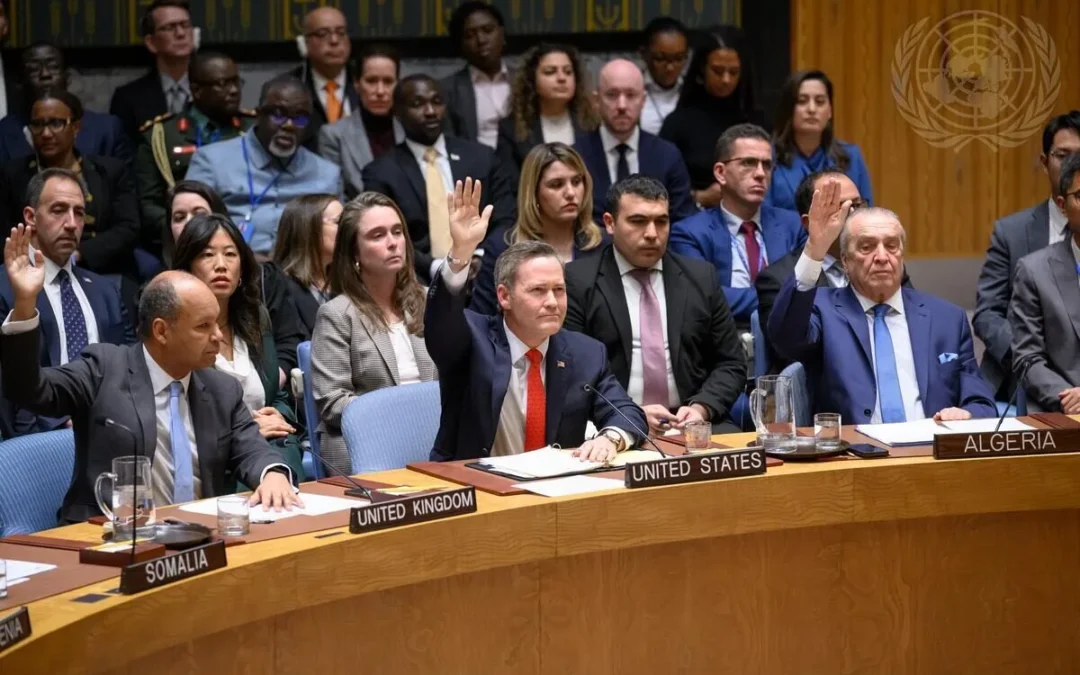
On Monday, November 17, the UN Security Council adopted resolution 2803 (2025) authorizing the creation of an โ€œInternational Stabilization Forceโ€ and a โ€œBoard of Peaceโ€ aimed at addressing the critical security, humanitarian, and reconstruction needs in Gaza. The resolution affirms the importance of enabling humanitarian aid, maintaining a ceasefire, and the goal of working towards โ€œa horizon for peaceful and prosperous coexistence.โ€ However, QUNO notes with concern the resolutionโ€™s disregard for the consent or agency of Palestinians within the mechanisms proposed by the resolution. Furthermore, the resolution fails to establish clear mechanisms for transparency, accountability, and effective humanitarian aid and reconstruction. Both observers and UN member states have pointed out that the resolutionโ€™s unilateral approach could sideline the United Nations and risk repeating colonial actions and ideologies that lie at the heart of the conflict. ย  At its core, the Security Council resolution gives UN backing to the โ€œComprehensive Peace Plan,โ€ also known as the โ€œ20-point plan,โ€ proposed by US President Donald Trump earlier this year. The United States proposed the resolution and lobbied strenuously to push it through the Security Council on an expedited timeline. The resolution gives a green light to main tenets of the Presidentโ€™s plan, principally, […]