Newsroom

Civil Society-UN Prevention Platform submission for UN’s New Agenda for Peace

8th February 2023

thumbnail

On the 75th anniversary of the United Nations, Member States pledged to strengthen global governance for the sake of present and future generations. At the request of Member States, the Secretary-General released the much-anticipated report, ‘Our Common Agenda,’ that provided several recommendations, including the need for a New Agenda for Peace (NA4P), to address the multitude of challenges faced by the international community.

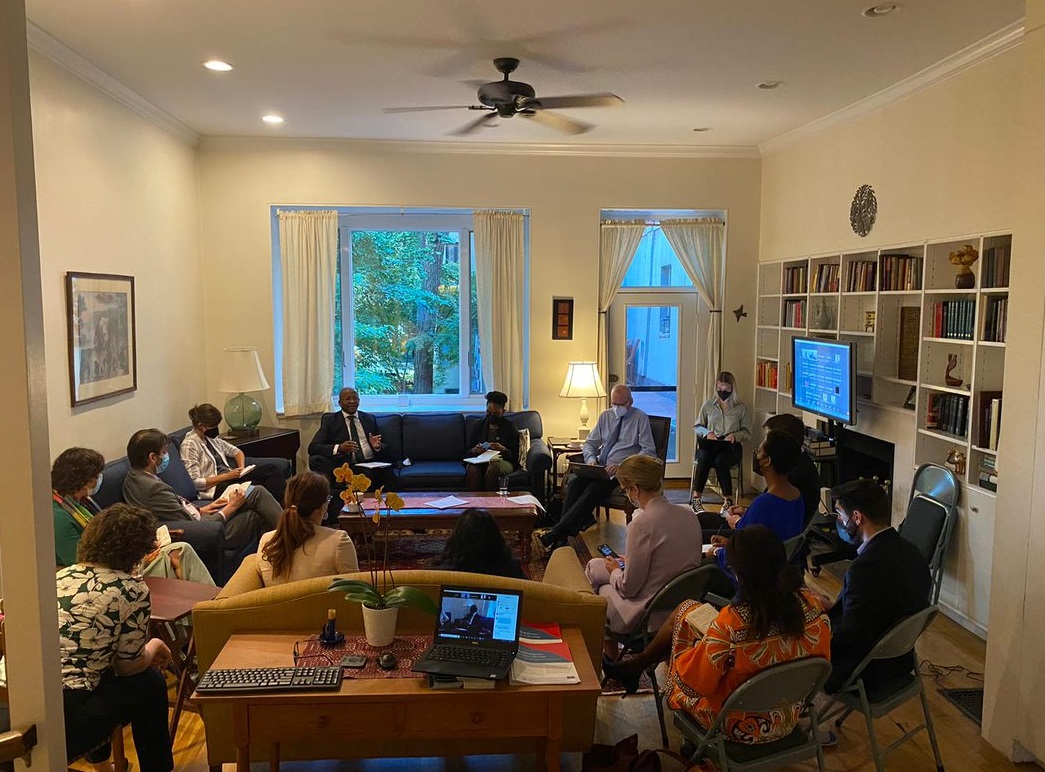
The Civil Society – UN Prevention Platform, launched in 2016 with QUNO and the Global Partnership for the Prevention of Armed Conflict (GPPAC) as co-facilitators, focused its 2022 annual discussion series on topics to inform the proposals for the NA4P. The series provided a space for the UN, diplomatic community and civil society to focus on the pressing issues facing the prevention agenda and UN policy development. The discussions focused on prevention at the international, national, and local levels, with two convenings centering on specific regional experiences. Each session provided many examples and lessons learned from the peacebuilding and prevention fields with speakers from throughout the world reflecting on their experiences at local and national levels, and how high-level policy has worked to prevent the escalation of conflict. Participants also shared ideas on how to further develop or strengthen the impact of policies developed at the headquarters level for programming on the ground.  

At the end of 2022, the UN issued an open call for civil society to provide feedback and ideas for the development of the NA4P. QUNO and GPPAC seized this opportunity to take the learning from the annual series to influence the UN’s NA4P drafting process. Working with the Platform’s core group, the paper, The New Agenda for Peace: An Opportunity to Advance Prevention Through Civil Society – United Nations Partnership, was submitted to the UN. It was also shared widely with the Platform’s partners and the diplomatic community at the UN. The paper outlines recommendations for the UN’s six key proposals for the New Agenda for Peace. The Platform’s paper then brings attention to three additional areas that are overlooked by the NA4P process: supporting youth-led prevention efforts; integrating climate sensitive risk analysis in prevention and peacebuilding; and tackling corporate governance gaps. The Platform believes that including these areas is a way to ensure a comprehensive and forward-looking policy through the NA4P.

In the coming months QUNO and the CS-UN Prevention Platform hope to engage with stakeholders and Member States to help create a better understanding of the underlying drivers and systems that sustain conflicts and renew efforts in fostering meaningful and effective processes to manage emerging situations of conflict. You can read our submission here.
Areas of work:
Download
CS_UN Prevention Platform NA4P Submission 2023

Explore more

Applications are Now Open: Quaker United Nations Summer School 2026

Applications are Now Open: Quaker United Nations Summer School 2026

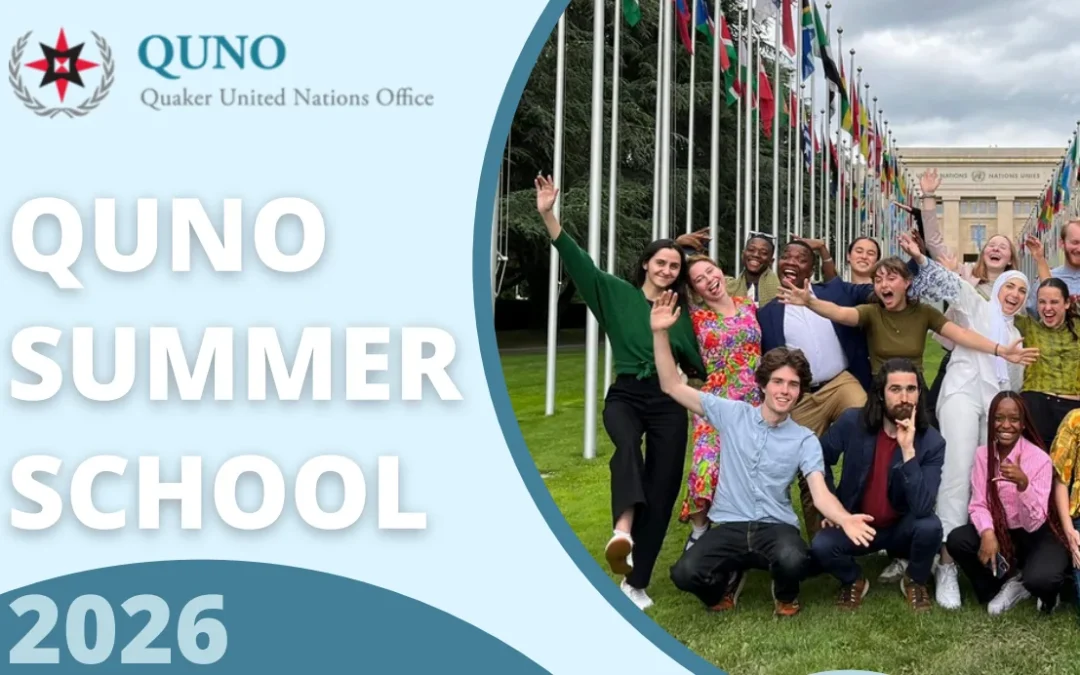
We are excited to announce that the applications for the Quaker United Nations Office Summer School (QUNSS) 2026 are now open!  QUNSS is a two-week programme where young changemakers are introduced to the United Nations and the vibrant international community in Geneva to deepen their understanding of multilateralism, strengthen their policy, negotiation, and advocacy skills, and connect with a supportive international youth network rooted in Quaker values to promote peace, justice, and the protection of Earth.  This year’s themed edition will explore today’s debates on the value and challenges of multilateralism, supporting participants to accurately understand, critically question, and humanize the United Nations.  Over the course of the programme, participants will:  We welcome applications from young people aged 20–26 from all regions and backgrounds who are globally minded, locally rooted, and involved in areas such as social justice, community engagement, climate action, advocacy, or policy, among others.  The deadline for applications is January 25th, 2026 at 23:59 Central European Time (CET).  For the full description of QUNSS 2026, please see the document below. To apply, please access this application form.

At a critical moment, Security Council Resolution on Gaza falls short

At a critical moment, Security Council Resolution on Gaza falls short

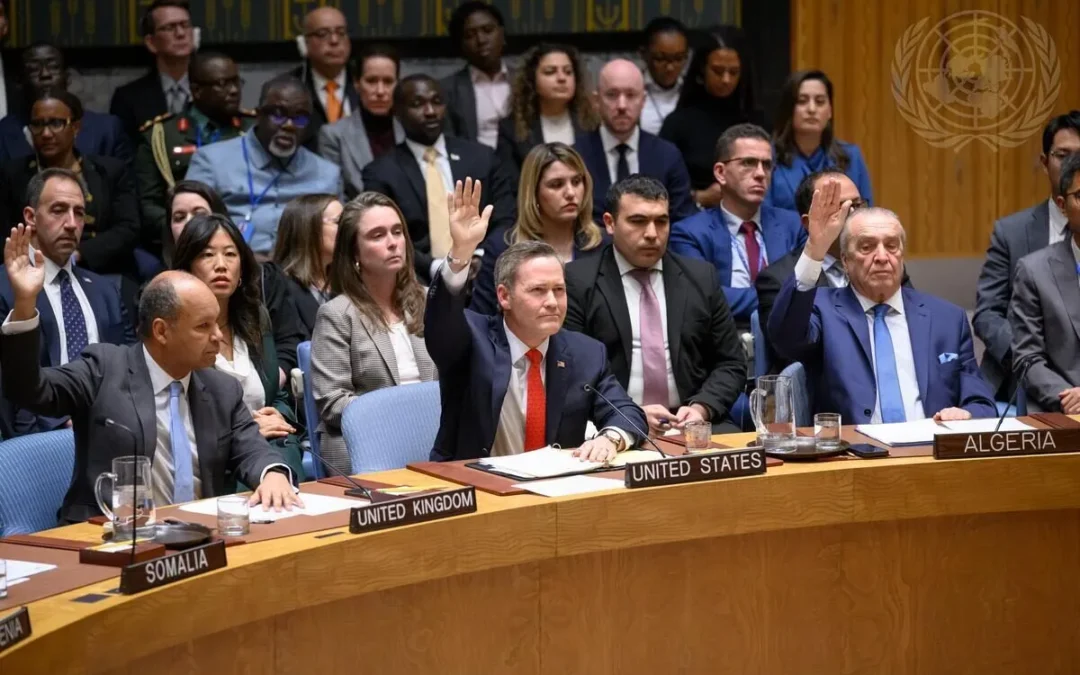
On Monday, November 17, the UN Security Council adopted resolution 2803 (2025) authorizing the creation of an “International Stabilization Force” and a “Board of Peace” aimed at addressing the critical security, humanitarian, and reconstruction needs in Gaza. The resolution affirms the importance of enabling humanitarian aid, maintaining a ceasefire, and the goal of working towards “a horizon for peaceful and prosperous coexistence.” However, QUNO notes with concern the resolution’s disregard for the consent or agency of Palestinians within the mechanisms proposed by the resolution. Furthermore, the resolution fails to establish clear mechanisms for transparency, accountability, and effective humanitarian aid and reconstruction. Both observers and UN member states have pointed out that the resolution’s unilateral approach could sideline the United Nations and risk repeating colonial actions and ideologies that lie at the heart of the conflict.   At its core, the Security Council resolution gives UN backing to the “Comprehensive Peace Plan,” also known as the “20-point plan,” proposed by US President Donald Trump earlier this year. The United States proposed the resolution and lobbied strenuously to push it through the Security Council on an expedited timeline. The resolution gives a green light to main tenets of the President’s plan, principally, […]

Drawing Hope: Children Reimagining Peace Across Borders

Drawing Hope: Children Reimagining Peace Across Borders

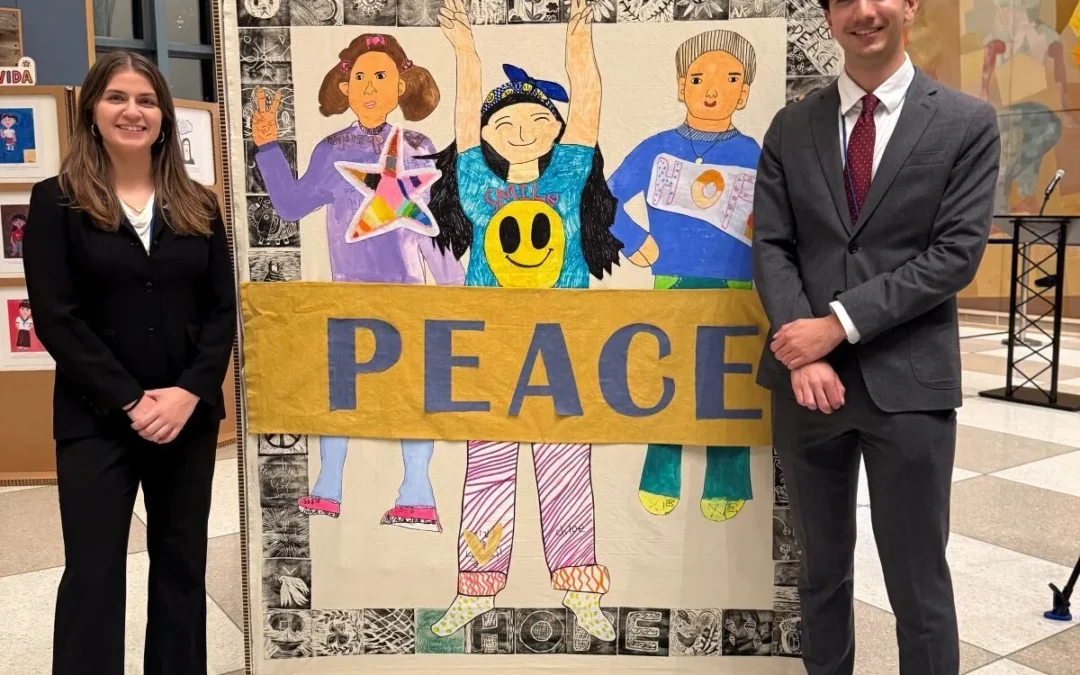
In a world often divided, Drawing Hope is a trans-local peace project that uses children’s art to remind us of our shared humanity. Through artwork created by children, the exhibit sends messages of hope, peace, and reconciliation. After being displayed in venues around the world, Drawing Hope arrived at the United Nations in New York City in early November. QUNO worked closely with the American Friends Service Committee, Okedongmu Children, and the Permanent Mission of Ireland to ensure the exhibit could be displayed inside the UN. From 10 to 21 November, diplomats, UN officials, and guests were able to view drawings created by children in eight countries: North Korea, South Korea, Japan, South Africa, Colombia, Cambodia, Ireland, and the United States. Visitors were inspired by the simple example of children working to connect, transcend barriers, and use creativity to build understanding and empathy across divides. Drawing Hope began on the Korean Peninsula, which in 2025 marks 80 years of division between North and South Korea. Over the past eight decades, cross-border interactions have been strictly prohibited, with both sides dehumanizing the other through propaganda, influencing adults and children alike. As a result, many children grew up surrounded by narratives of […]

QUNO attends COP30 in Brazil: Report 1 of 2

QUNO attends COP30 in Brazil: Report 1 of 2

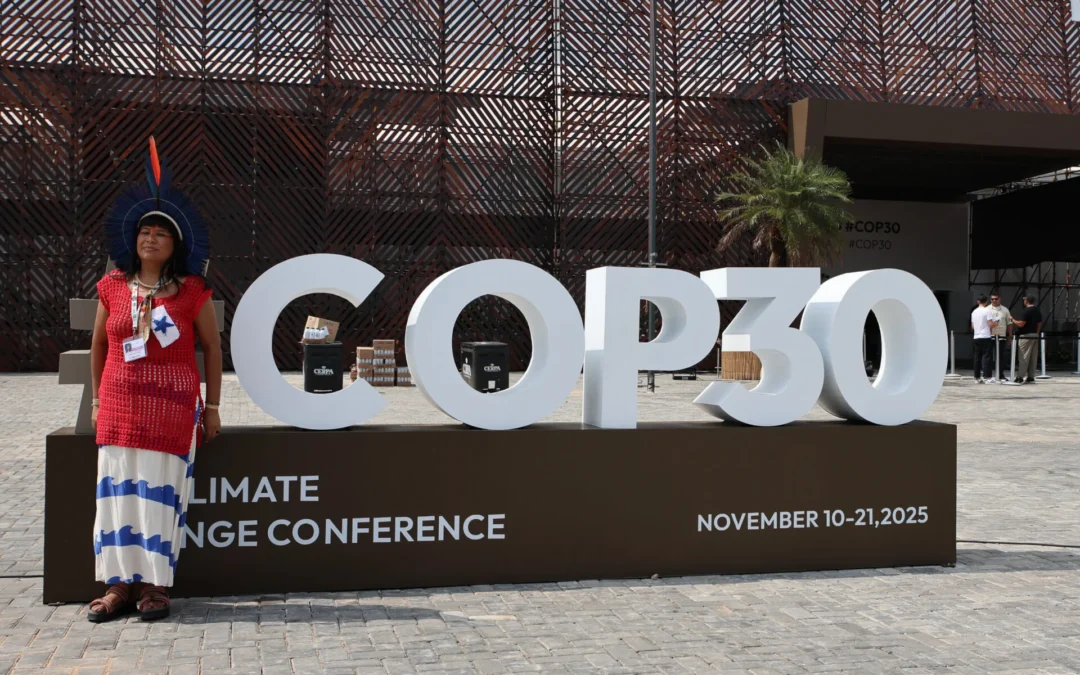
QUNO’s Human Impacts of Climate Change (HICC) staff, Lindsey Fielder Cook and Daniela Campos, were present at the Conference of Parties (COP30) from 9–23 November in Belém, Brazil. This first report focuses on QUNO’s activities and will be followed by a second report offering an analysis of both concerns and positive outcomes.  While knowing that more than 56,000 people from all over the world came together to share and negotiate global climate action, some might still wonder what happens inside COPs. To offer a clearer glimpse of this experience, we are sharing a narrated report of the major events, negotiations, and interactions where QUNO brought a Quaker voice—advocating peaceful, just, and equitable transformations of activities driving existential levels of climate change and related planetary crises.  Amplifying our Voice and Values at COP30 – Interfaith events : With our Interfaith Liaison Committee colleagues, we helped host an interfaith Talanoa Dialogue at the Lutheran Church Igreja Evangelica de Confissão Luterana, bringing together over 120 people in person from all over the world, with translation between English and Portuguese, and more than 30 participants online.  During the COP, we supported faith-based colleagues in their efforts, including newcomers navigating the space, and engaged with […]

QUNO at the IPCC’s session in Lima

QUNO at the IPCC’s session in Lima

From 27–30 October, QUNO participated in the 63rd Session of the Intergovernmental Panel on Climate Change (IPCC) in Lima, Peru. The IPCC collates the best available climate science worldwide, and its reports help advise governments and policymakers on what is happening, why, and the available options for climate policy and action. During this meeting, country delegates, scientists, and observers prioritized three difficult key issues: the timeline for the publication of the 7th Assessment Report (AR7); the inclusion of high-risk marine geo-engineering in a Methodology Report; and gaps in the IPCC budget. On the first issue, and for the fourth consecutive attempt, country delegates were unable to agree on a timeline for delivery. On the second issue, QUNO worked effectively with a range of concerned countries and observers to prevent the inclusion of marine geo-engineering as a carbon dioxide removal technology. On the third issue, the budget was passed for 2026 but remains significantly underfunded for the assessment cycle. For more information about QUNO’s work at the IPCC and our Plenary interventions, as well as the Earth Negotiations Bulletin, which references our (FWCC) interventions, please download the reports below.

QUNO Representative brings Quaker Perspective to Disaster Resiliency

QUNO Representative brings Quaker Perspective to Disaster Resiliency

QUNO NY Representative Kavita Desai had the rare opportunity to moderate a panel at the United Nations entitled “Investing in Resilience to Safeguard the Sustainable Development Goals” during a special event held on October 16, 2025, hosted by the UN Office for Disaster Risk Reduction (UNDRR) and the UN Economic and Financial Committee.  The UNDRR event, “Towards a Risk-informed approach to Development: Financing Resilient Development Today for a Sustainable Tomorrow,” highlighted the need to increase investment in disaster protection measures such as early warning systems, community protection plans, and resilient infrastructure to safeguard progress made towards achieving the Sustainable Development Goals (SDGs), a series of 17 globally agreed-upon goals that form a blueprint for sustainable peace and prosperity. As Desai noted in her opening remarks, “It is well known that an ounce of prevention is worth a pound of cure…investing in DRR saves resources in the long-term and futureproofs development gains.”   Desai’s panel provided valuable insight on the necessity of financing resilient development, warning that progress towards the SDGs has been limited and that current investments in disaster risk and resilience account for only about 25% of actual needs in many countries. The panel noted that this funding gap emerges […]